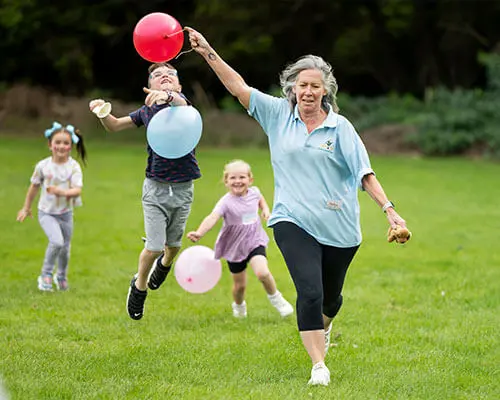
Activities to support grieving children and young people
At Simon Says, three core ‘golden threads’ guide everything we do, and all the activities at our support groups, are built around the following foundational elements:
- Memories and relocation
- Coping with big feelings
- Growing hope
Treasuring Memories
To honour and preserve the memories of a loved one, whilst helping the child/young person integrate their presence into their life, allows them to move forward with their loved one rather than feeling they are leaving them behind. It’s also important to recognize that not all of the pupil’s memories may be positive, so the activities you plan should be sensitive to this.
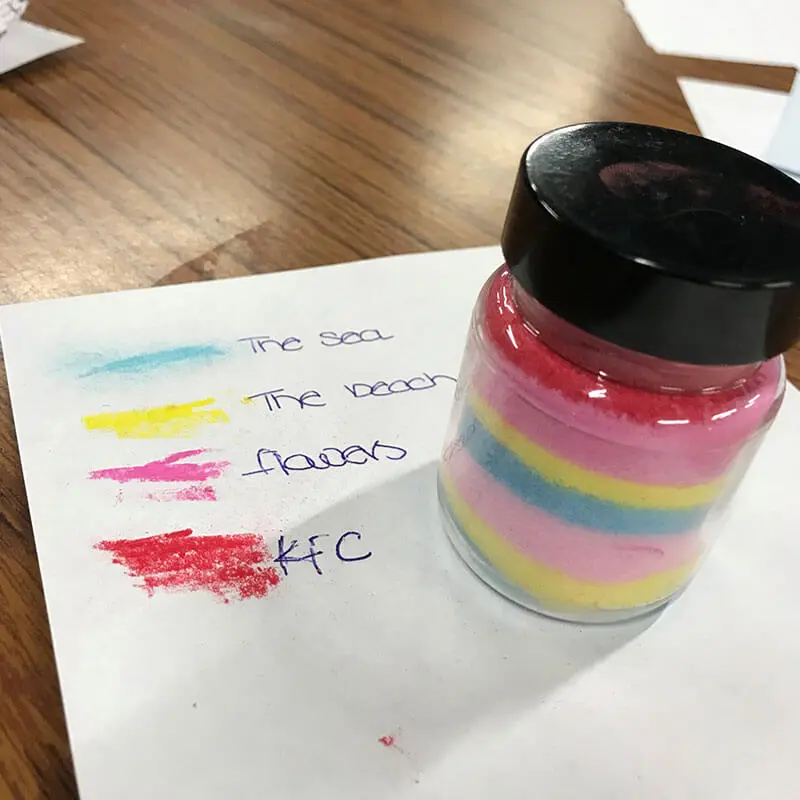
Memory jar
A way to help a child talk about the person who has died and remember special things about them is by creating a memory jar. Each layer of coloured salt in the jar symbolizes a different memory, such as their loved one’s favourite colour, meal, or an activity you used to enjoy together. Older teens might prefer creating a memory playlist, an online photo journal, or attaching memories to a canvas.
Coping with big feelings
Grief is a complex process, and for children, it can be even more confusing because they may not yet fully understand their emotions or how to express them. Normalizing these feelings, helping them understand that it’s okay to feel sadness, anger, confusion, or even guilt, can reduce the fear and isolation that often accompanies loss. Teaching coping strategies, such as talking about their feelings, using creative outlets like drawing or writing, or even engaging in physical activity, can provide children with tools to manage their emotions in a healthy way.

First aid kit
Creating a ‘first aid kit’ for emotions gives children tangible tools to manage their feelings when they’re overwhelmed. It not only encourages self-expression through writing, drawing, or crafting, but it also provides a comforting, physical reminder that they have coping strategies readily available.
Having the kit in their school bag or on a keyring makes it accessible during difficult moments. This concept fosters a sense of control and empowerment, as children learn that they have resources to turn to, no matter where they are. It could also include reminders of calming techniques like deep breathing exercises or visualisations, personal notes of encouragement, or small objects that bring comfort and remind them of happy memories.
Growing hope
When experiencing all the feelings associated with grieving, it can be very hard to see any hope or light. Children may feel guilty if they laugh or have fun. Adults have an important role to ‘hold the hope’ for the pupil and to gently encourage them to believe in a future that is worth living.